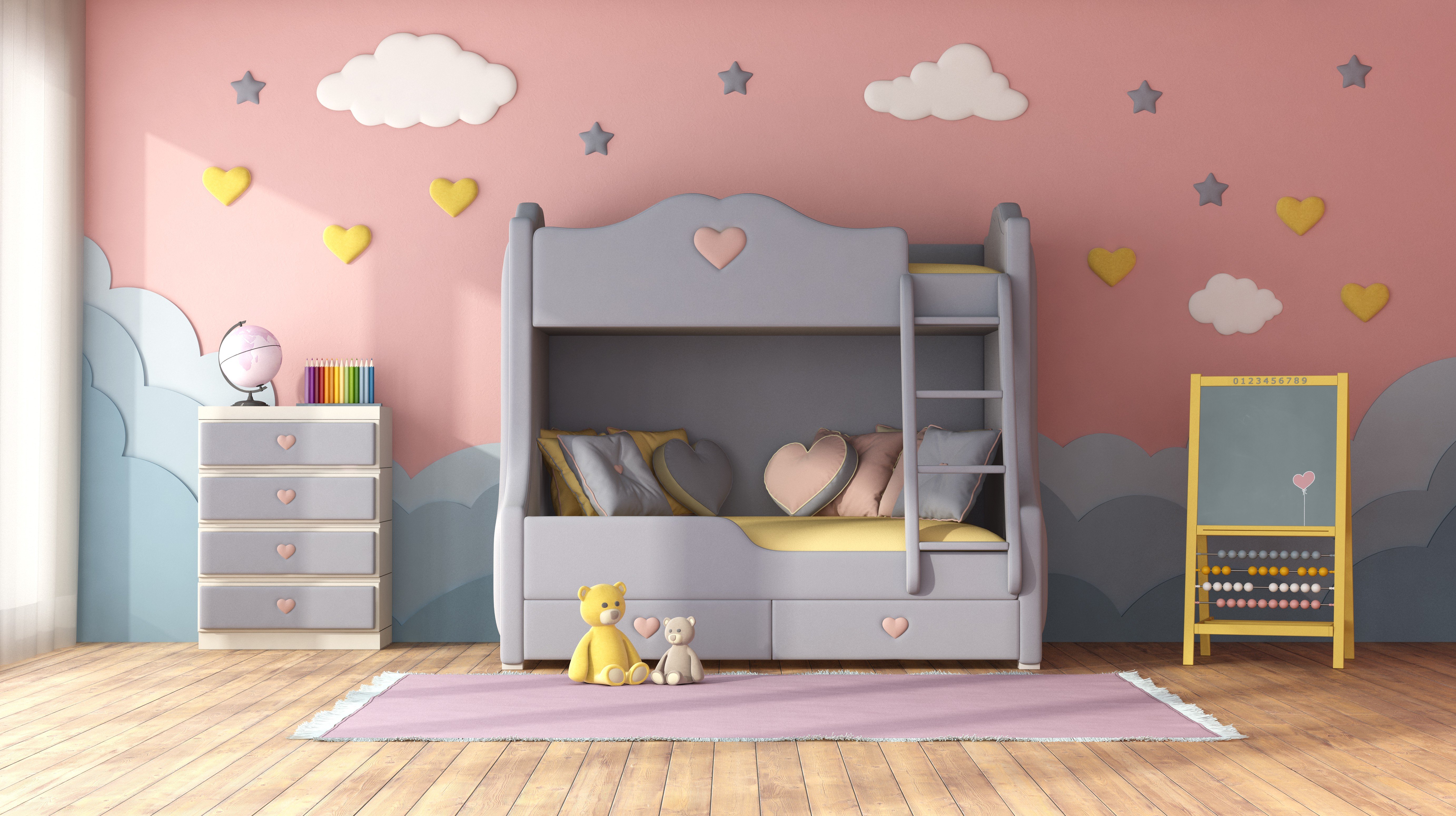
20 Good Bunk Beds Websites Taking The Internet By Storm
Good Bunk Beds: Maximizing Space and Comfort with Smart Vertical Living
Bunk beds, when exclusively relegated to dorm spaces and children's bed rooms, have undergone an impressive transformation. They are no longer just a space-saving necessity, but a stylish and versatile furnishings alternative embraced by households, people, and even grownups seeking smart solutions for compact living. Today's bunk beds are offered in a stunning variety of designs, products, and configurations, using something for virtually every requirement and aesthetic. However, with so much option comes the difficulty of recognizing what really makes up a “great” bunk bed. Beyond simply stacking two beds vertically, a good bunk bed balances security, toughness, performance, design, and comfort.
This article explores the world of bunk beds, providing a detailed guide to comprehending their different types, key features, safety considerations, and how to pick the perfect bunk bed for your particular needs. Whether you are outfitting a children's space, optimizing a visitor area, or just aiming to take full advantage of square video footage in a smaller sized home, comprehending the subtleties of great bunk bed style is crucial.
Checking Out the Diverse World of Bunk Bed Designs
The term “bunk bed” is an umbrella term including a range of setups that extend beyond the standard two-tiered setup. Understanding these different types is the initial step in discovering the ideal fit for your space and requirements.
Here are some popular types of bunk beds:
Standard Bunk Beds: This is the traditional style including two twin-sized beds stacked straight on top of each other. They are ideal for optimizing vertical space in smaller spaces and are especially popular in children's bedrooms. Their simplicity makes them a reasonably cost effective option.
Twin-over-Full Bunk Beds: Offering more sleeping area, these bunk beds feature a twin-sized bed on the leading bunk and a full-sized bed on the bottom. This setup is excellent for accommodating siblings with various area requires or offering a more roomy sleeping location for an older child or teenager on the bottom bunk.
Full-over-Full Bunk Beds: As the name recommends, both the upper and lower bunks in this design are full-sized. These are particularly ideal for guest spaces or spaces shared by older children or adults who choose more sleeping space. They supply sufficient area for couples in smaller apartment or condos or villa.
L-Shaped Bunk Beds: In this design, the lower bunk is located perpendicularly to the upper bunk, developing an “L” shape. This configuration uses corner area successfully and typically develops a small location beneath the upper bunk that can be utilized for a desk, storage, or play area. They are a great choice for spaces that are more square shaped.
Triple Bunk Beds: For spaces that require to accommodate 3 sleepers while reducing flooring space, triple bunk beds are the answer. These can be available in different configurations, consisting of three bunks stacked directly on top of each other, or a combination of standard bunks with an additional trundle bed that takes out from below.
Loft Beds: Technically a variation of a bunk bed, loft beds raise a single bed frame high adequate to allow for usable space beneath. This area can be configured as a desk area, a seating nook, a storage system, or perhaps a small play zone. Loft beds are outstanding for optimizing vertical area for individuals, specifically students or those residing in studio apartments.
Bunk Beds with Stairs: Replacing the traditional ladder with stairs supplies improved safety and much easier access to the top bunk, particularly for more youthful children or people with mobility issues. Bunk bed stairs often integrate integrated drawers or storage compartments within the actions themselves, adding additional functionality.
Bunk Beds with Trundles: These bunk beds feature a covert bed frame on wheels (the trundle) that slides out from underneath the lower bunk. Trundle beds are best for accommodating occasional visitors or slumber parties without permanently taking up additional floor space.
Product Matters: Construction and Durability
The materials used in constructing a bunk bed considerably impact its sturdiness, stability, and total lifespan. 2 primary materials control the marketplace: wood and metal.
Wood Bunk Beds: Wood bunk beds are popular for their traditional visual appeal and inherent sturdiness. Solid wood constructions, such as pine, maple, or oak, deal excellent toughness and can endure years of usage. Plywood and MDF (Medium Density Fiberboard) are also typically utilized, frequently in combination with solid wood elements. It's important to ensure that if MDF or plywood are utilized they are of good quality and effectively ended up to avoid issues with moisture and wear.
Metal Bunk Beds: Metal bunk beds are known for their modern-day, commercial look and relative cost. Steel and iron are typically utilized, offering excellent strength and stability. Metal frames are frequently lighter than wood frames, making assembly and moving them much easier. However, it's important to ensure the metal frame is robust and well-welded to avoid wobbling or squeaking.
Beyond the primary product, pay attention to the following building and construction aspects:
Sturdy Frame: The overall frame needs to be robust and sound, capable of supporting the weight of the bed mattress and residents without swaying or creaking. Try to find thick legs and strong joints that are safely fastened.
Ladder or Stairs: Whether you select a ladder or stairs, ensure they are securely attached to the frame and designed for safe and easy climbing. Ladders ought to be angled for comfortable climb and descent, and stairs ought to have an affordable step height and depth.
Guardrails: Essential for upper bunks, guardrails prevent unexpected falls. They should be safely fastened, high enough to be efficient, and run along the whole length of the leading bunk, other than for the ladder/stair access point.
Slat Support System: The slats that support the mattresses are vital for both convenience and mattress longevity. They need to be made from strong material (wood or metal), carefully spaced, and securely attached to the frame to avoid bed mattress sagging.
Security First: Prioritizing Well-being with Bunk Beds
Safety is vital when selecting a bunk bed, particularly if it will be utilized by children. Focus on security features and follow advised guidelines to reduce threats.
Key safety factors to consider include:
Age Appropriateness: Bunk beds are normally not advised for children under the age of 6. More youthful children may lack the coordination and awareness needed to securely browse the leading bunk and ladder.
Guardrail Height and Coverage: Ensure the guardrails on the top bunk are at least 5 inches higher than the top of the mattress to efficiently avoid falls. Inspect that they extend along the entire length of the bunk, with only a little opening for ladder gain access to.
Ladder/Stair Safety: The ladder or stairs must be tough, firmly connected, and developed for simple and safe climbing. Ladders should be angled, and stairs need to have an affordable action height and depth.
Bed mattress Thickness: Use mattresses that are the right thickness for the bunk bed frame and guardrail height. Too thick a bed mattress can minimize the efficiency of the guardrails. Speak with the bunk bed manufacturer's suggestions for bed mattress density.
Weight Limits: Adhere strictly to the maker's weight limitations for both the upper and lower bunks. Overloading a bunk bed can compromise its structural stability and cause safety threats.
Room Space and Ceiling Height: Ensure there suffices headroom above the top bunk for comfortable sitting and motion. Also, ensure there is sufficient space around the bunk bed for safe access and egress.
Design and Design: Bunk Beds as Furniture Statement Pieces
As soon as you've dealt with the useful aspects of type, material, and security, you can check out the visual possibilities of bunk beds. Today's bunk beds are readily available in a large range of designs to match numerous space decorations.
Think about these design aspects:
Modern vs. Traditional vs. Rustic: Bunk beds are available in designs ranging from streamlined and minimalist contemporary designs to traditional and elaborate traditional styles, and even rugged and natural rustic designs. Pick a style that balances with the general decoration of the room.
Color and Finish: Bunk beds come in numerous finishes, from natural wood tones to painted colors, and metallic finishes for metal frames. Select a color and surface that matches the space's color plan and individual choices.
Integrated Features: Many bunk beds incorporate practical integrated features like drawers, racks, desks, or perhaps seating locations. These integrated aspects enhance the functionality and space-saving advantages of bunk beds.
Selecting the Right Bunk Bed: A Step-by-Step Guide
Choosing the perfect bunk bed includes a thoughtful process. Here's a step-by-step guide to assist you make the very best option:
Assess your Needs: Determine the number of individuals will be utilizing the bunk bed, their ages, and their particular needs. Think about area requirements, storage requirements, and any availability concerns.
Measure your Room: Accurately measure the measurements of the space where the bunk bed will be placed, consisting of the ceiling height. Make sure the bunk bed you select will fit easily and securely within the area. Think about leaving adequate space for motion around the bed.
Consider the Type of Bunk Bed: Based on your requirements and room size, decide which kind of bunk bed configuration best matches your requirements (e.g., requirement, twin-over-full, loft bed, etc).
Assess Material and Construction Quality: Inspect the materials and building of the bunk bed. Choose long lasting products and a robust building to ensure durability and safety. Take notice of frame density, joint strength, and slat assistance.
Prioritize Safety Features: Thoroughly take a look at the safety functions, consisting of guardrail height, ladder/stair style, and weight limitations. Ensure the bunk bed fulfills or goes beyond pertinent safety standards.
Consider Style and Design: Select a bunk bed style, color, and finish that complements your space's decoration and individual taste. Believe about whether integrated functions would be advantageous.
Set a Budget: Bunk bed costs differ commonly depending on type, product, building, and functions. Identify a sensible spending plan and check out choices within that range.
Check Out Reviews and Compare Options: Before purchasing, checked out online evaluations from other customers and compare different bunk bed models to ensure you are making an informed decision.
Preserving Your Bunk Bed: Ensuring Longevity
Proper upkeep will extend the life expectancy of your bunk bed and ensure it stays safe and practical. Regularly examine and tighten up any bolts or screws, check for signs of wear or damage, and tidy the frame and mattress assistance as required. For wood bunk beds, occasional polishing can assist maintain their look.
Conclusion: Elevating Space Efficiency and Style
Excellent bunk beds provide a powerful combination of space-saving performance and stylistic versatility. By comprehending the various types, focusing on safety, thinking about materials and building, and carefully evaluating your requirements, you can choose a bunk bed that not just optimizes your area however also boosts the convenience and looks of your room. A well-chosen bunk bed is an investment in smart vertical living, producing comfortable and practical areas for many years to come.
- * *
Regularly Asked Questions (FAQs) About Bunk Beds:
Q: At what age is it safe for a child to oversleep a top bunk?
A: Most manufacturers and security organizations advise that children should be at least 6 years old to sleep in the top bunk of a bunk bed. More youthful children may do not have the coordination and awareness essential to securely browse the leading bunk and ladder.
Q: What is the standard height of a bunk bed?
A: Standard bunk bed heights can differ, but usually, the general height ranges from about 60 to 70 inches. Loft beds, which are created to have more space underneath, can be taller. It's important to check the particular dimensions of the bunk bed you are considering and guarantee it fits easily in your space with adequate ceiling height.
Q: Are metal or wood bunk beds better?
A: Both metal and wood bunk beds have their advantages. Wooden bunk beds are typically favored for their timeless visual and durability, specifically strong wood choices. Metal bunk beds are typically more cost effective, lighter, and offer a contemporary appearance. The “much better” option depends upon your personal choices, budget plan, and desired style. Focus on quality construction regardless of the product.
Q: How much weight can a bunk bed hold?
A: Weight limitations differ depending on the bunk bed's construction and materials. Always check the producer's requirements for the weight capacity of both the upper and lower bunks. Standard bunk beds typically have individual bunk weight limits ranging from 200-250 lbs, however heavier responsibility alternatives are available.
Q: Can bunk beds be separated into two single beds?
A: Some bunk bed designs are developed to be separable into two individual single beds. This is a fantastic feature for added flexibility. Nevertheless, not all bunk beds are developed in this manner, so examine the product specs if this is a crucial feature for you.
Q: What mattress type is best for a bunk bed?
A: Typically, innerspring or foam bed mattress appropriate for bunk beds. It is vital to select mattresses that are the appropriate thickness as defined by the bunk bed maker to ensure guardrail security and correct fit within the frame. Thick bed mattress can decrease the effectiveness of guardrails.
Q: How do I make the top bunk bed?
A: Making the leading bunk bed can be a little difficult. The simplest approach is to utilize fitted sheets and lightweight comforters or duvets that are simple to tuck in. Having somebody help you from the side can also simplify the procedure. Some people find it much easier to make the bed from the ladder, working section by area.
Q: Where should I put a bunk bed in a room?
A: Position the bunk bed away from windows, doors, and heating vents to avoid drafts and temperature variations. Guarantee there is sufficient space around the bunk bed for safe gain access to and movement. Placing it versus a wall can provide extra stability.
Q: How frequently should I check the bunk bed for safety?
A: Regularly examine your bunk bed for safety, ideally every couple of months. Look for bunk bed sale near me or bolts, indications of damage, and make sure guardrails and ladders are still firmly attached. Immediately deal with any problems to maintain safety.